|
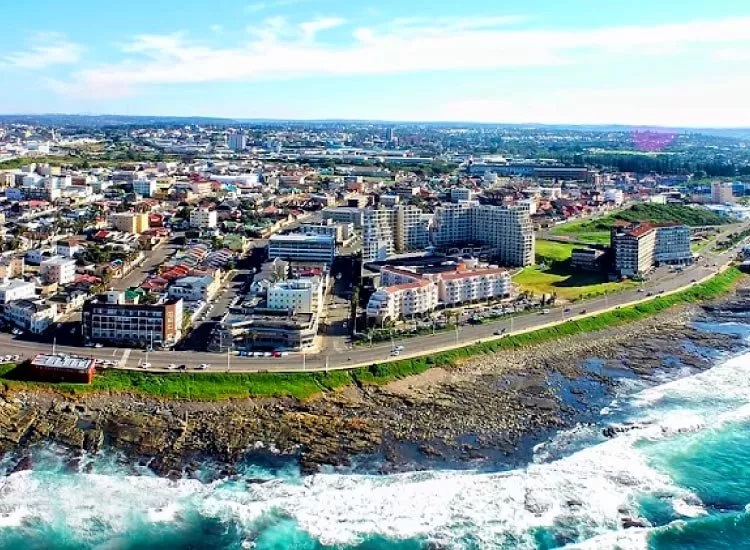
East London is the second largest city in the Eastern cape and is the main centre of the Buffalo City Municipality, (Population 701 884). The municipality is named after the Buffalo River which bisects the municipality and whose estuary is the port of East London, the only river port in South Africa.
EAST LONDON
East London is the second largest city in the Eastern cape and is the main centre of the Buffalo City Municipality, (Population 701 884). The municipality is named after the Buffalo River which bisects the municipality and whose estuary is the port of East London, the only river port in South Africa.
The earliest evidence of human activity in the area comes from the presence of fossilized footprints near the mouth of the Nahoon River. These date back two hundred years at the cusp of the evolvement of modern humans. There are several other archeological finds in the area dating back to the Khoi San. There is evidence of metal workings dating back one thousand years in various sites around the city. The Buffalo River became known to the outside world in the seventeenth century when the survivors of the wrecked Dutch galleon Stavenisse were picked up off the river by another Dutch ship. The Dutch referred to the river as the Eerste Rivier, or First River, one of several in South Africa.
During the Wars of Resistance, the British found that their supply lines were becoming overstretched and began to look for a port nearer the centre of conflict and in 1836 the brig Knysna was sent to survey the Old Woman’s River fifty kilometers from Port Alfred and the Mouth of the Buffalo River. Of these, the Buffalo River site was the most promising. A settlement was established on the West Bank of the Buffalo River which was named Port Rex after the owner of the Knysna George Rex. The settlement was abandoned after the dispatch of the colonial secretary Lord Glenelg which ordered the withdrawal of all colonial acquisitions east of the Great Fish River. After this it appears that the mouth of the Buffalo may have been used by gentlemen who did not believe that the taxation laws applied to them yet still wished to carry out trade. This situation came to an end in 1847 when the 73rd Regiment under Sir George Berkeley marched to the mouth of the river and established a fortification called Fort Glamorgan. On the 14th of January 1847 the new governor of the Cape, Sir Harry Smith, proclaimed that the mouth of the Buffalo River and two miles of surrounding land to be formally annexed to the Cape Colony and named it East London.
In 1857 East London became the scene for the first large scale German settlement in Africa when members of the British German legion under Count Richard Von Stutterheim arrived at the harbour, these settlers soon moved into the interior where they founded several settlements which still bear German names.
After the founding of the town the harbour was expanded and deepened and the town steadily grew in size. In 1914 it was proclaimed a city. After the establishment of the Apartheid laws the black population was forced to move from the centre of the city to the outlying areas, notably to Duncan Village and to Mdantsane, which became the largest black township in South Africa after Soweto. These areas were included in the supposedly independent homeland of Ciskei and were reincorporated into South Africa at the first democratic elections in 1994.
During the struggle against Apartheid East London and the whole Buffalo City area were centres of this effort. The authoritarian rule of the leader of the Ciskei, President LL Sebe caused regular eruptions of unrest and the areas such as Mdanstane became refuges for guerillas. The area had also become a centre for organized labour in South Africa, and the founder of the Industrial and Commercial Workers Union, Clemens Kadile was from East London.
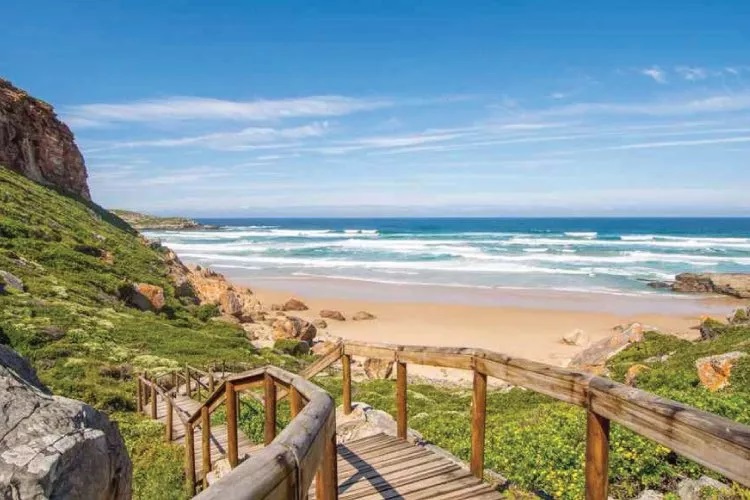
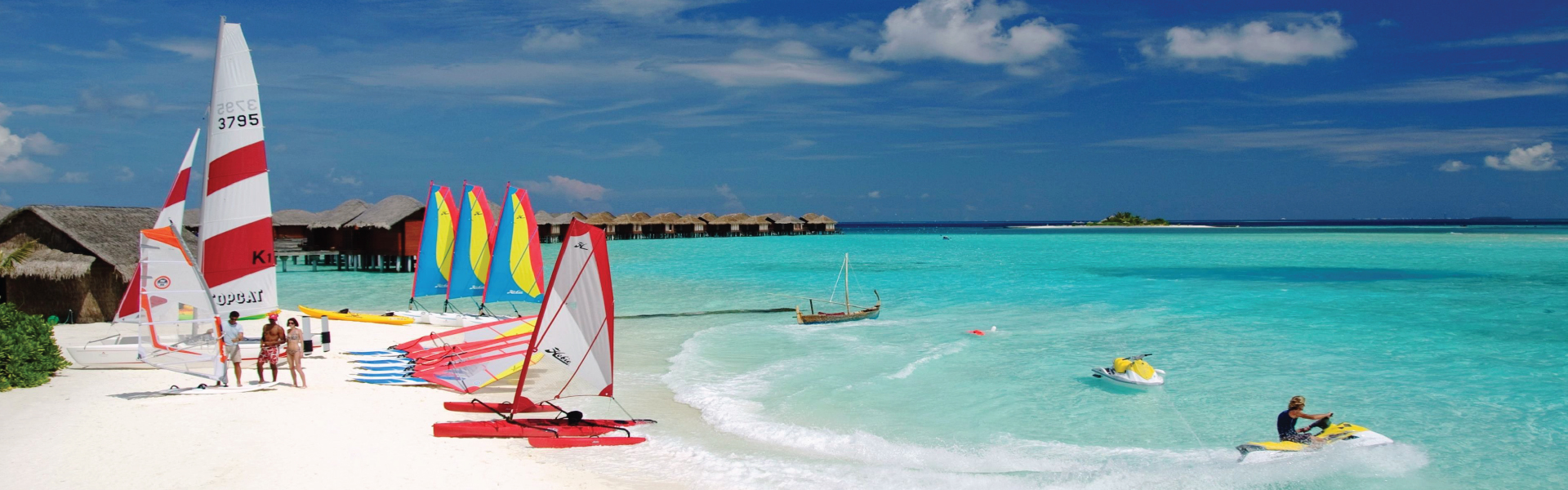
East London has a mildly tropical climate with an average daily maximum temperature of 22 degrees. The rainfall of 800mm per year is spread throughout the year, the driest Months being June through to August. The pleasant climate, splendid beaches washed by the warm Aghulas Current and the number of attractions in and around the city makes it a popular holiday destination. The Orient beach, adjacent to the harbour wall was named after a Russian windjammer which came to grief off the beach. Despite the origin of its name Orient beach is a very safe swimming beach. Eastern Beach, a kilometer up the coast is very popular as a surfing, bathing and whale watching site. The high sand dunes above Eastern Beach are a popular paragliding spot. Further up the coast Nahoon Beach, at the mouth of the Nahoon River is well known for its scenic beauty and the ideal watersport conditions.
There are a number of beaches and resorts to the south of the city. Cove Rock is of historic and cultural importance. This feature is an enormous rock that has been cleft in two, and the sea pounds through the cracks. The Xhosa name for this feature is “Gompo”, an allusion to the sound of the sea rushing through the cleft. Events at Cove Rock, (Gompo Rock), have been of crucial importance in Xhosa history on a number of occasions, and it remains an important spiritual site for the Xhosa people.
East London has many splendid monuments and memorials. The best known of these is the statue to the leader of the Black Consciousness leader and anti Apartheid campaigner, Steve Biko, who died under violent circumstances while being detained without trial in 1977. His statue stands in front of the Edwardian gothic City Hall. Another statue on the beachfront commemorates the early German settlers who did so much to develop the area.
There are a number of splendid parks and open spaces in East London, the most notable being Queens Park, an 84 ha park that is an oasis of tranquility and also contains the East London zoo.
East London has a number of fascinating areas and suburbs, many of which are well worth a visit. These include the following:
The Quigney
Most of the Hotels in East London are situated in the Quigney, as are the aquarium and the tourism information offices, as well as some of the best known restaurants in the City. The Quigney looks over to the harbour and the Orient and Eastern Beaches. One of the older areas of town, the Quigney is a vibrant, cosmopolitan area; with an active community forum determined that The Quigney should maintain its charm and appeal. A visit to their somewhat irreverent website, www.gwygney.co.za will give further insight into this beloved part of East London.
Southernwood and Selborne
These older suburbs of East London reflect a genteel history; with well to do late Victorian and Edwardian villas looking on to wide tree lined streets. The well renowned East London Museum with the first coelacanth ever discovered and its superb gallery of the maritime history of the area is in this area, as is the well renowned Ann Bryant art gallery.
West Bank
The West Bank is the oldest part of East London and still retains the original atmosphere of the first settlement;
Source: Courtesy Eastern Cape Tourism Board - www.ectb.co.za
|