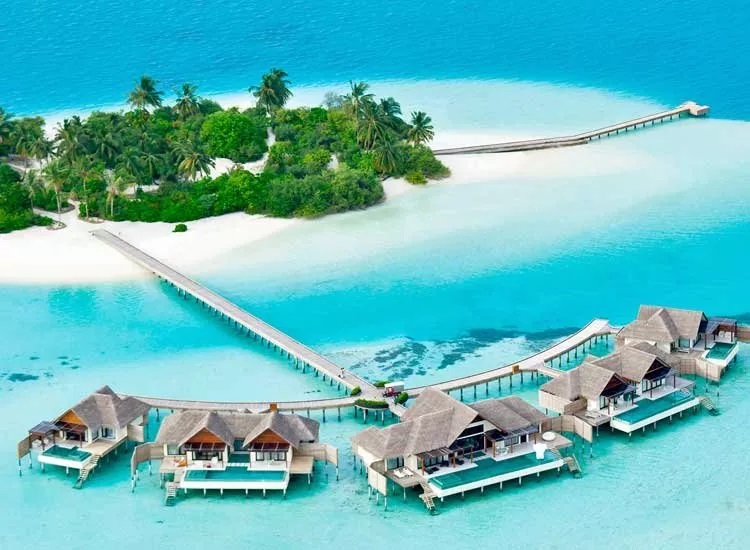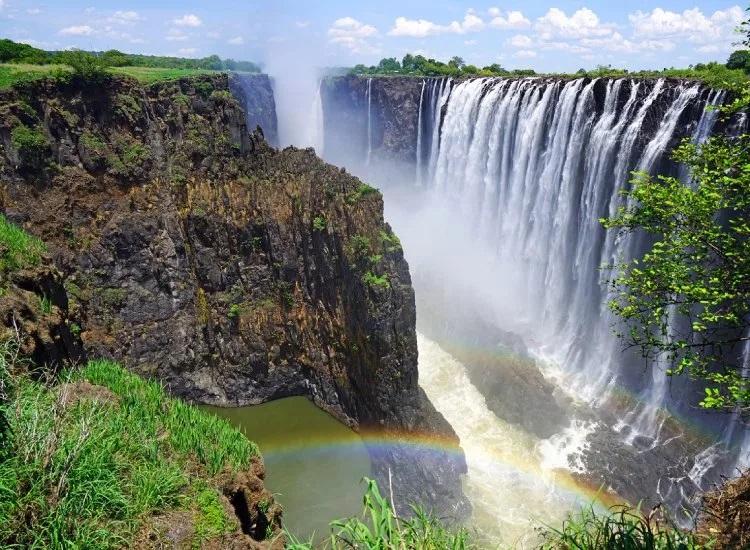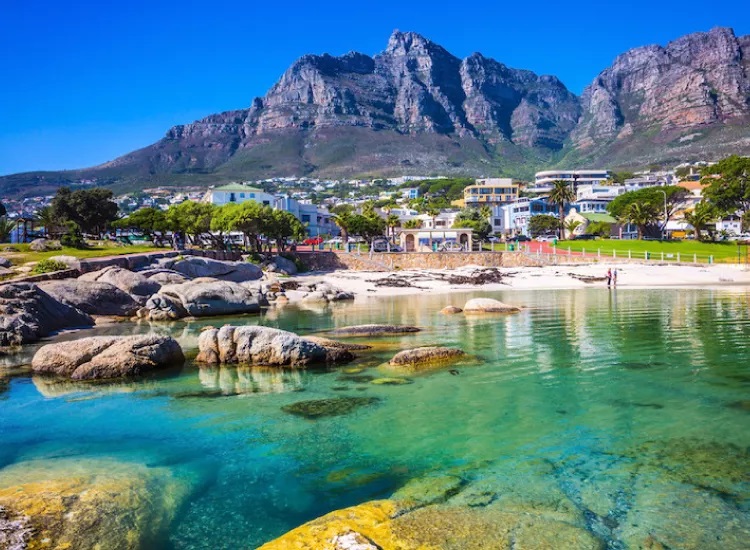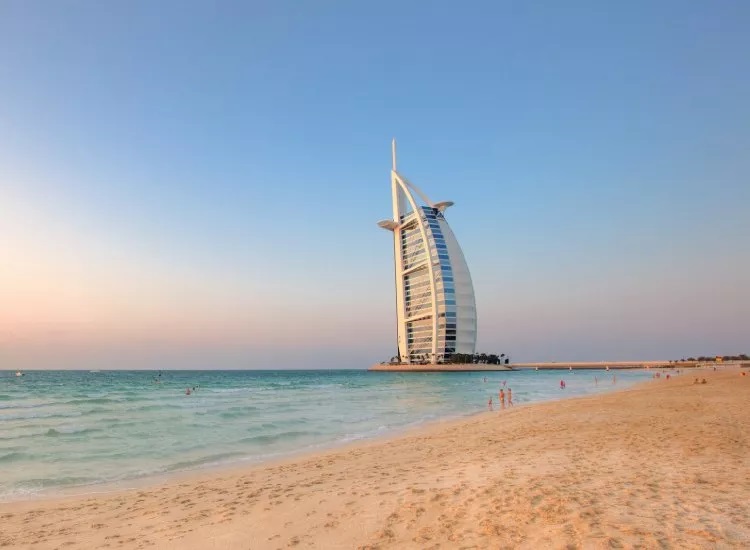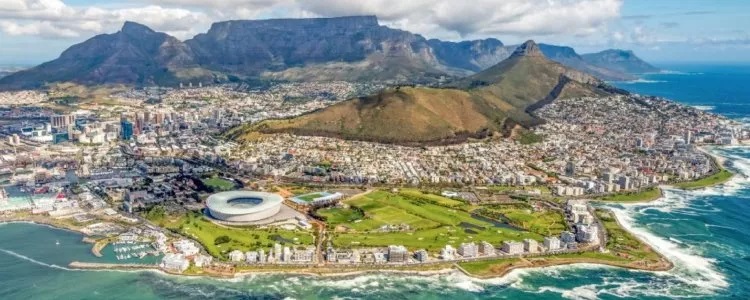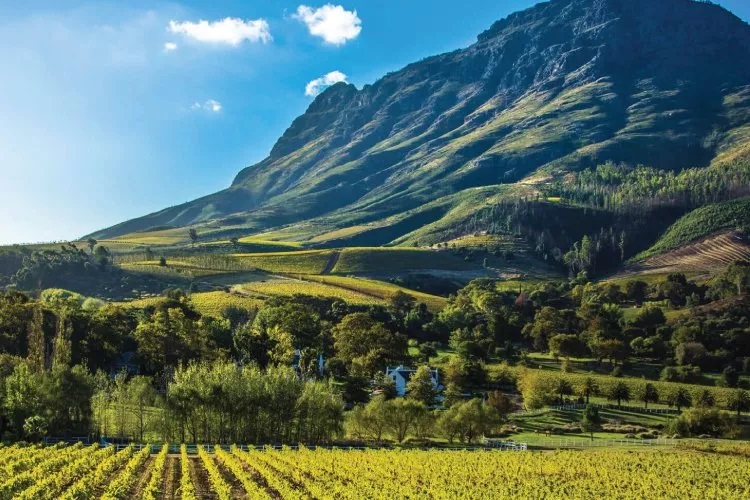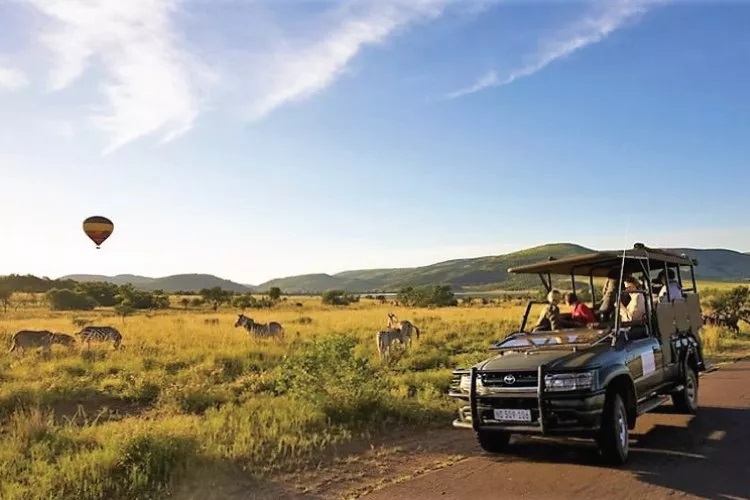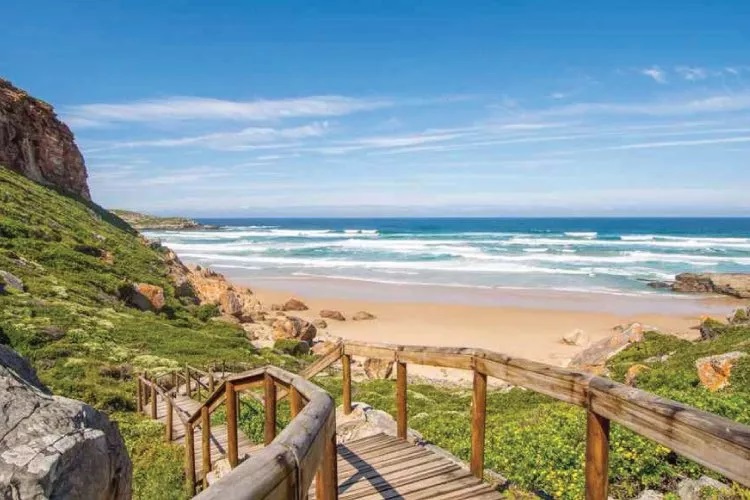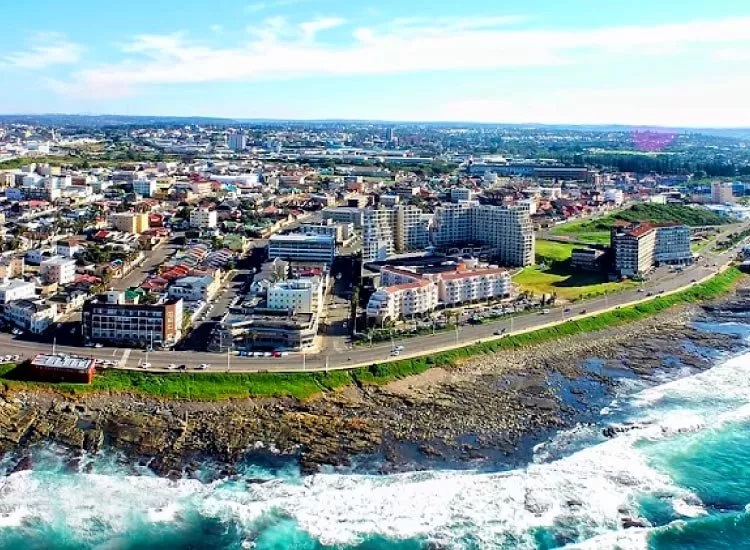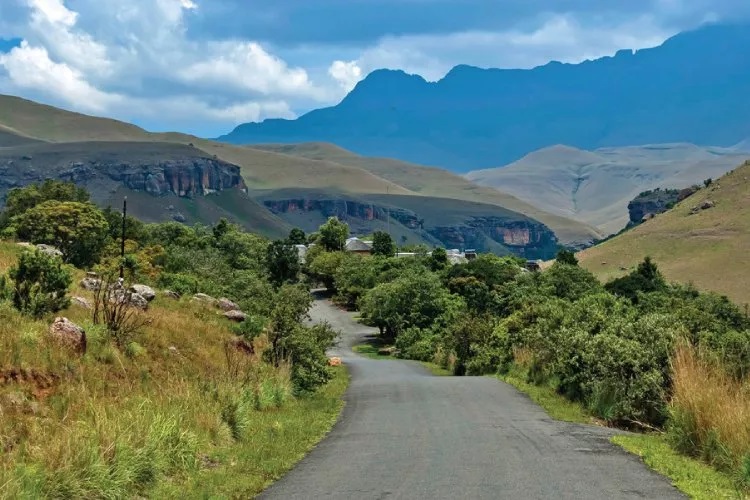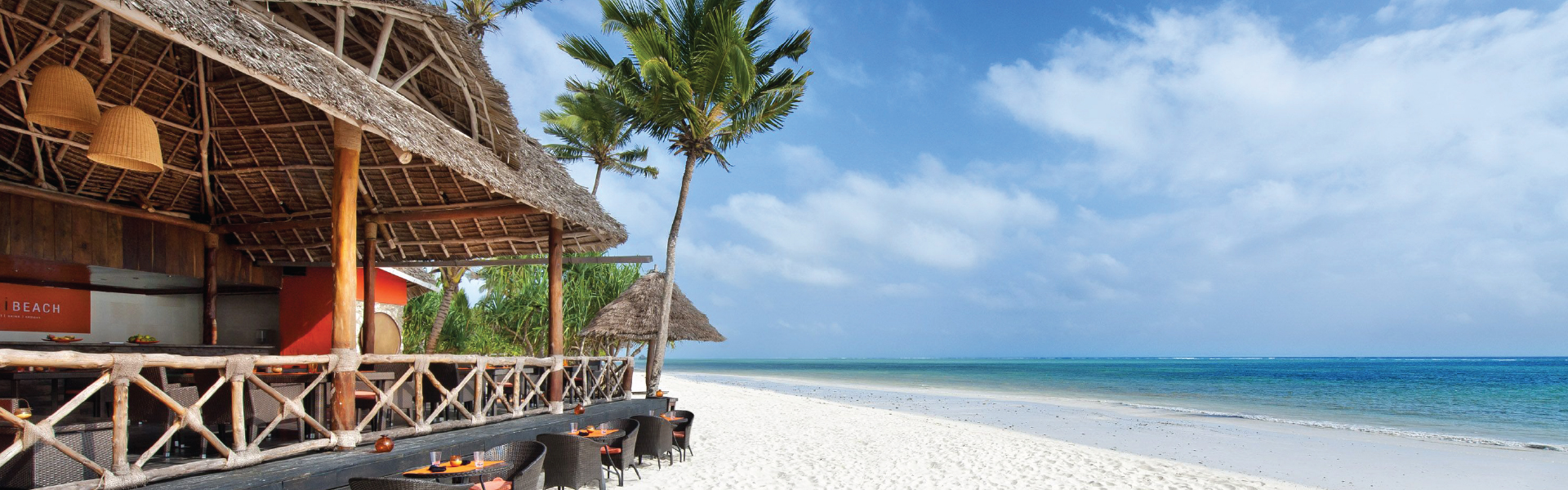
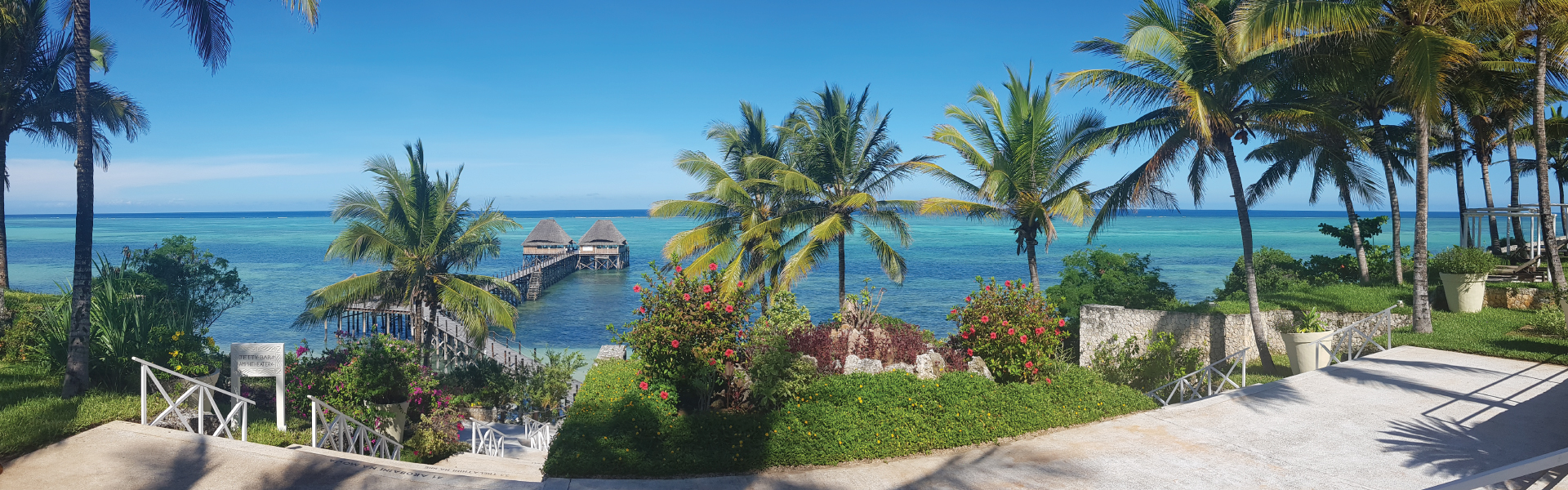

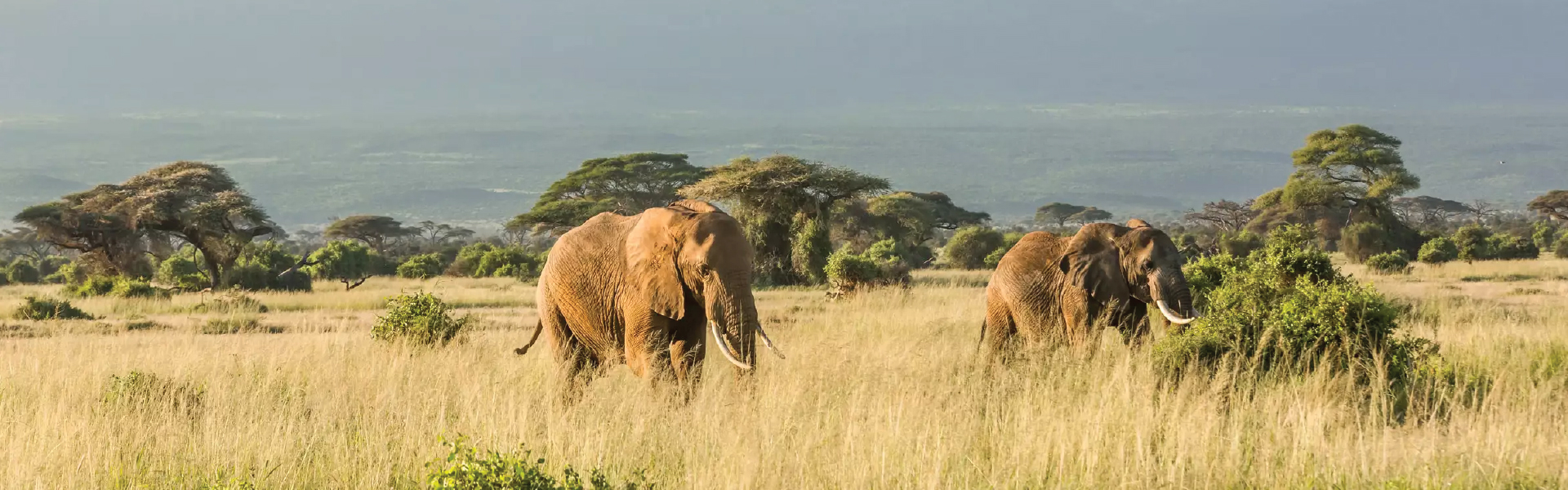
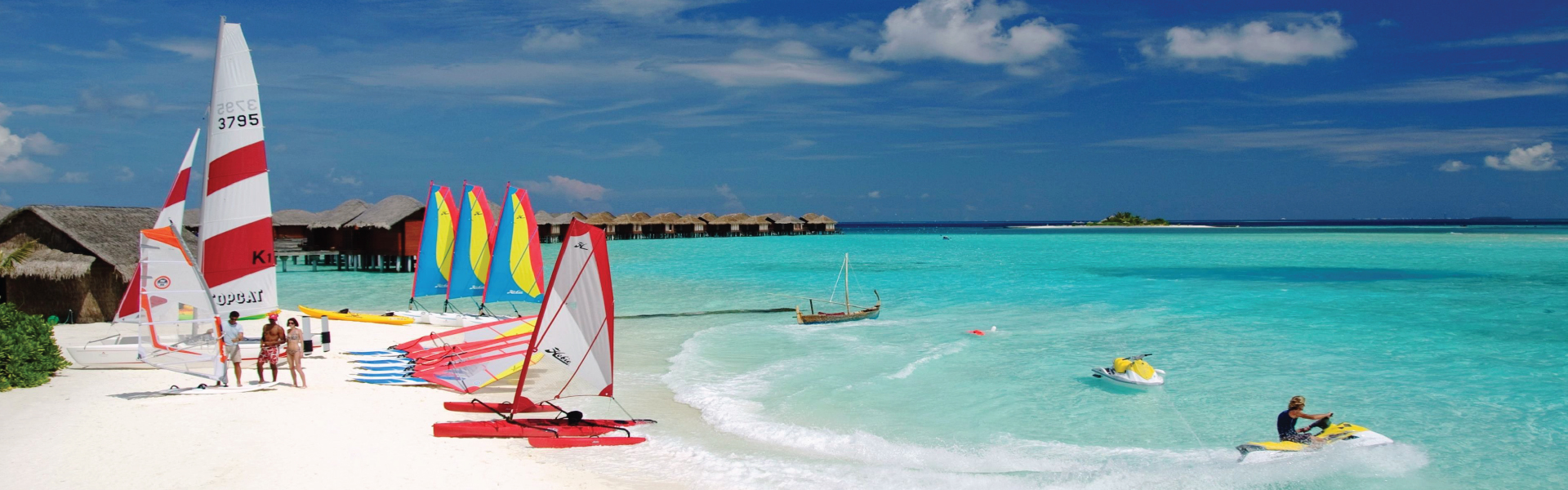
Everything’s better when you’re on holiday! And now, more than ever, you deserve a holiday. We tailor make vacation packages to the resorts in Zanzibar, Maldives, Seychelles, Mozambique, Mauritius, Reunion along with many other island getaways. We can also assist with safari lodges and other popular 'gems' in South Africa, Victoria Falls, Botswana, Kenya and Tanzania. Are the European classic spots of Spain, Italy, France, the United Kingdom and much, much more on your bucket list? Have New York, Las Vegas, Miami in the United States been beckoning?
Book with confidence! Your well being is our primary concern. Our hotel & supplier partners are COVID safety approved and we have lots of properties with free cancellation options in case your plans change.