|
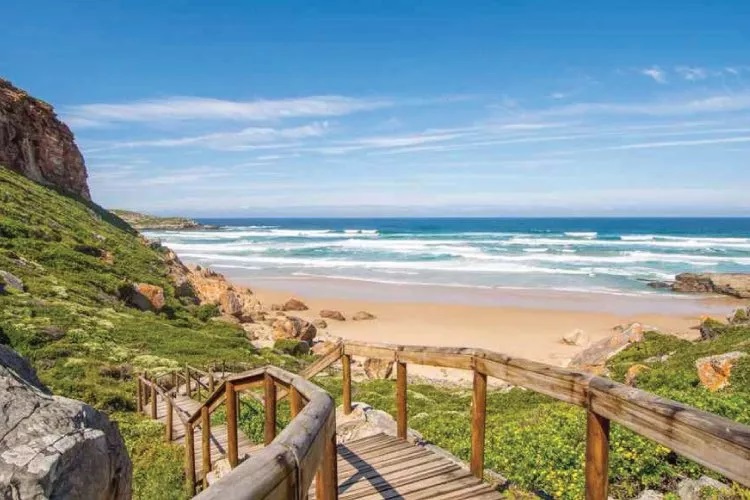
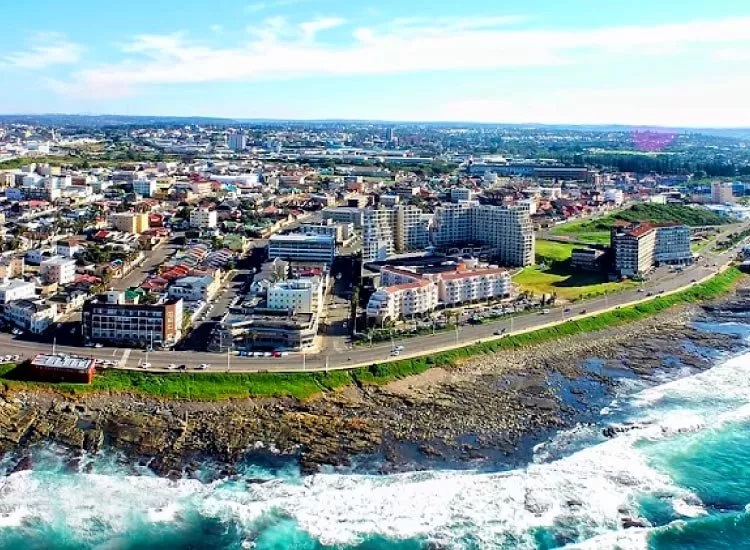
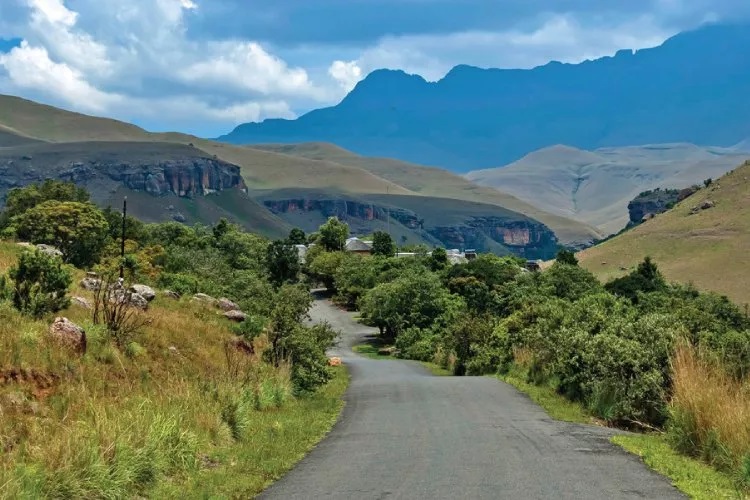
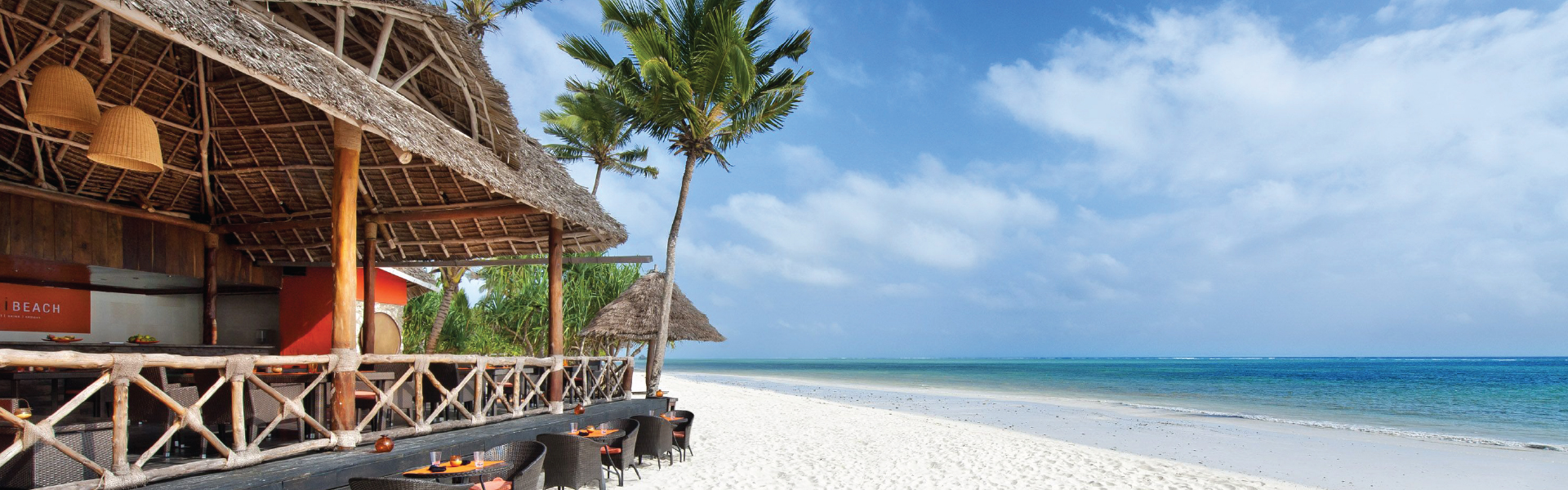
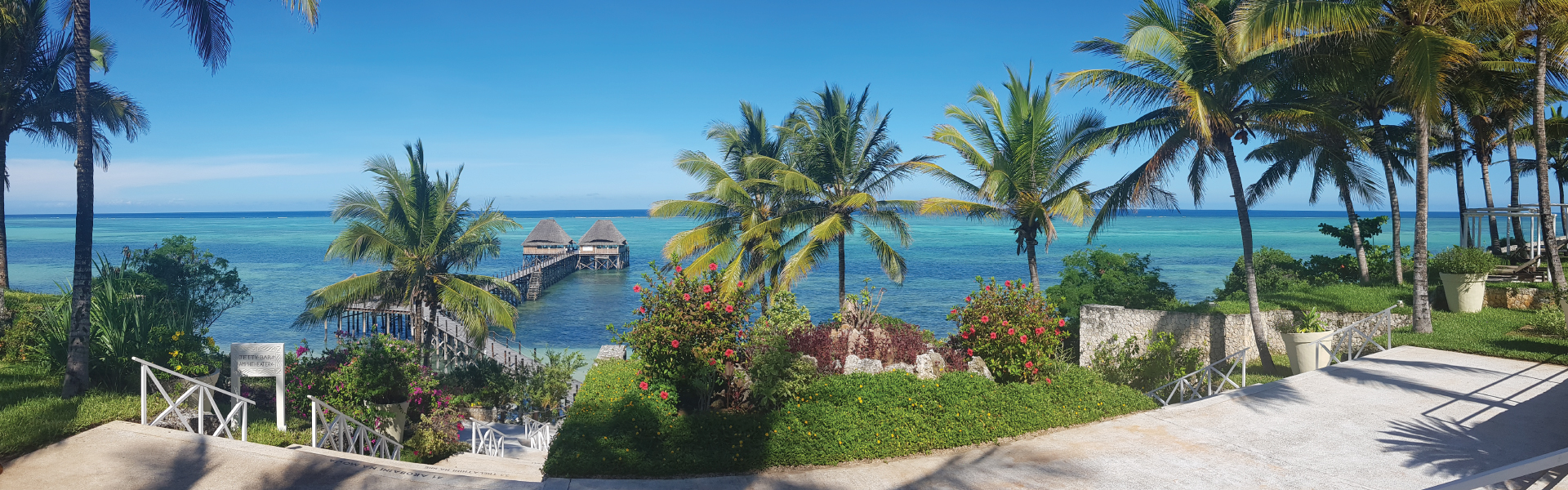
Benin is a country in West Africa and is bordered to the east by Nigeria, to the north by Niger and Burkina Faso, and to the west by Togo. The coast is sandy with coconut palms. And beyond the lagoons is a plateau rising gradually to the heights of the Atakora Mountains. The official language is French but different tribes have their own languages. It is customary to shake hands on arrival and departure. Religious beliefs play a large part in society. Casual wear is acceptable in most places.
Main towns and urban areas have a variety of hotels. Top-end hotels are mainly found in and around the capital. There are also some campsites and a few places for game viewing at the National Park. There is a selection of restaurants and hotels serving French food with table service, although some also serve local African specialties, particularly seafood.
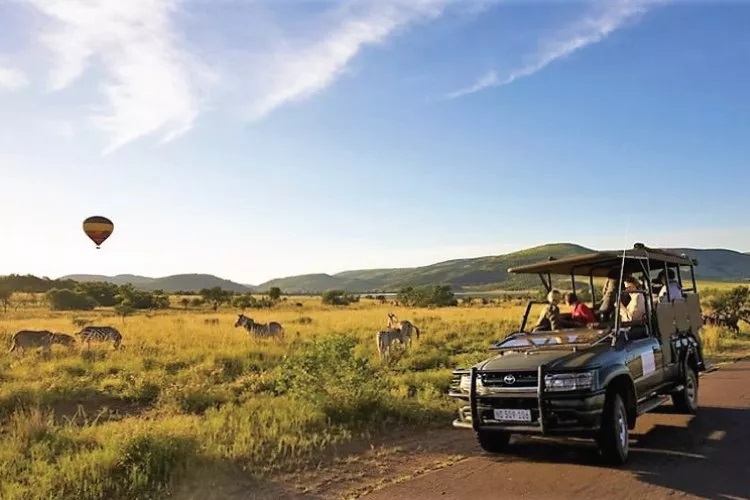
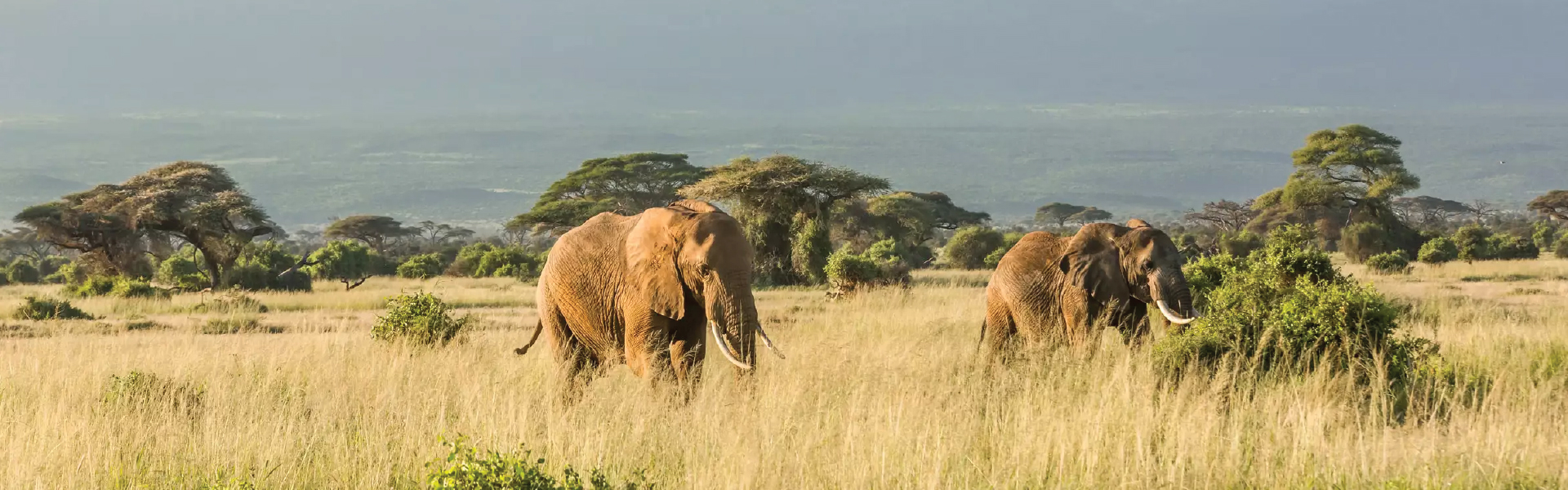
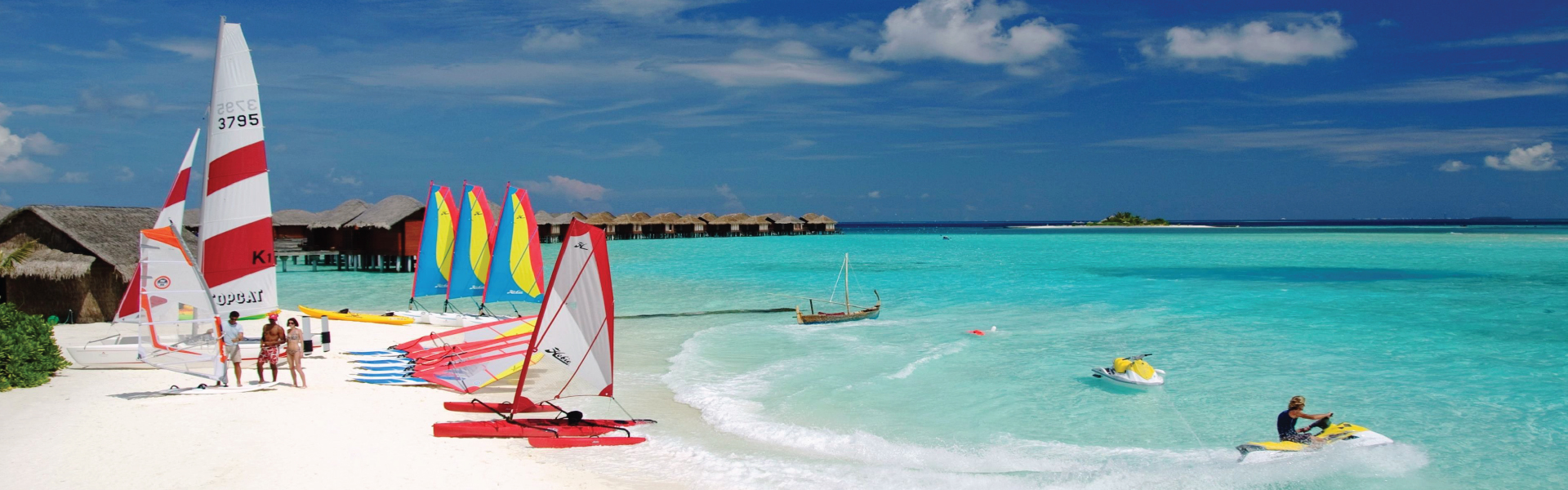
One can visit the museum, situated about 100km (60 miles) northeast of the capital and covers the history of the Abomey. You can also pay a visit to the Fetish temple the local market where local craft products are sold at reasonable prices which is normally open every four days. You can see a wide range of wildlife including cheetahs, hippos and crocodiles at Benin's two national parks. There are not many facilities for water sports on the coast but there are good beaches. Visitors have to be careful for tides and currents that can render the sea.
Getting around in Benin is easy. There is rail transport from places and different flights fly into the country. Most visits to Benin are trouble-free but you should be aware of the global risk of indiscriminate international terrorist attacks, which could be against civilian targets, including places frequented by foreigners.
There have been outbreaks of Influenza (Bird Flu) in poultry at a farm. No human infections or deaths have been reported. In December 2007, outbreaks were confirmed in Porto Novo and Dangbo.
|